| Starmer’s departure clears the way for the country’s seventh Prime Minister in a decade, in time for the summer recess | Experts were surprised by the latest data from the Office for National Statistics, expecting inflation to rise to 3% | The Monetary Policy Committee voted to retain Bank Rate at 3.75%. The Federal Reserve did likewise at 3.5% – 3.75% |
“I will do everything I can to ensure an orderly handover of power”
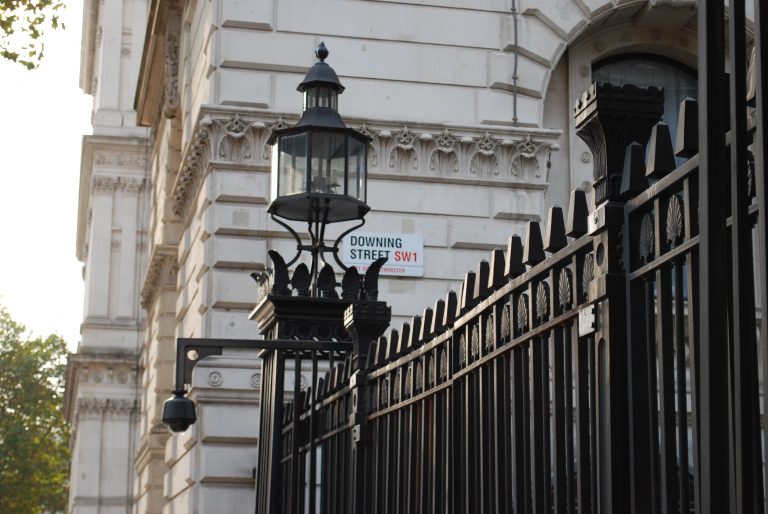
On Monday morning, Keir Starmer took to the podium in Downing Street and announced his resignation as UK Prime Minister and Leader of the Labour Party.
In an emotional speech, he said he was stepping down in “good grace,” accepting that the Parliamentary Labour Party no longer wanted him to lead them into the next general election. His departure clears the way for the country’s seventh Prime Minister in a decade.
The announcement came just days after Andy Burnham secured victory in the Makerfield by-election on Friday. Hours after being sworn in as an MP on Monday, Burnham confirmed he would stand to replace Starmer as Labour leader and, potentially, as Prime Minister.
Setting out a timetable for his departure from No.10, Sir Keir said the National Executive Committee of the Labour Party would open nominations on 9 July until 16 July to complete the process by the summer recess. In the case of a contest, this will ensure a new leader is in place before Parliament returns in September, or sooner if Labour supports just one candidate.
Sir Keir confirmed, “I will remain in post as Prime Minister until the contest is complete. And I will do everything I can to ensure an orderly handover of power.”
“The outlook is now less challenging than it appeared only a few weeks ago”
Experts were surprised by the latest data from the Office for National Statistics (ONS) showing that the annual inflation rate remained at 2.8% in May. It was widely expected that prices would keep rising over the summer months due to the economic impact of the Middle East conflict.
The largest downward contribution came from food and non-alcoholic beverages; in the 12 months to May 2026, prices increased by 2.2%, down from 3.0% in April and the lowest rate since December 2024, due to small decreases in inflation for meat, dairy and vegetables. Meanwhile, transport costs rose at the fastest rate since December 2022, with an annual increase of 6.8% in May.
While economists had expected inflation to rise to 3%, Deputy Chief Economist at the CBI, Alpesh Paleja, warned that the full effects of the Middle East conflict have yet to filter through. He commented, “This is likely to be the calm before the storm, with price pressures set to see a pronounced rise over the coming months.”
However, recent talks between the US and Iran may help to improve the economic outlook. Last week, the two countries signed an agreement to extend the ceasefire, with the Strait of Hormuz set to reopen. Both have committed to agreeing a final deal in 60 days, extendable with mutual consent.
Paleja added, “The deal does reduce the risk of the more severe inflation scenarios that had been feared if the conflict escalated further or energy infrastructure suffered additional damage. While households are still likely to face a prolonged squeeze on living standards, the outlook is now less challenging than it appeared only a few weeks ago.”
UK and US hold interest rates
Last week, the Monetary Policy Committee (MPC) voted to retain Bank Rate at 3.75% as the economic impact of geopolitical events continues to be hard to predict.
Two MPC members voted to increase rates to 4%, while seven of them opted to hold at 3.75% for the fourth consecutive meeting. Andrew Bailey, Governor of the Bank of England (BoE), commented that the recent peace talks are “encouraging,” but inflation is still likely to increase later this year due to elevated energy prices seen in the last four months.
Other ONS statistics show that, between March – May 2026, job vacancies fell to the lowest since 2021. The number of new recruits was also at a five-year low according to HMRC data. While the loosening labour market may slow salary growth for workers, it could help to contain the effects of inflation. The BoE wrote, ‘we are monitoring the situation very closely; whatever happens, we’ll make sure that inflation gets back to the target in the medium term.’
Across the pond, the Federal Reserve also opted to hold interest rates between 3.5% and 3.75% in Kevin Warsh’s first meeting as the Fed Chair. With US inflation at 3.8%, the Committee voted unanimously to maintain rates as they promised to ‘deliver price stability.’
Here to help
Financial advice is key, so please do not hesitate to get in contact with any questions or concerns you may have
All details are correct at time of writing (24 June 2026)
The value of investments can go down as well as up and you may not get back the full amount you invested. The past is not a guide to future performance and past performance may not necessarily be repeated.